Excerpts from ASK THE NURSE: By Gail Johnson, BSN, RN, Public Health Nurse
Westford CAT: March 19, 2026
New dietary guidelines aim to help Americans make healthier choices. The overall message isn’t about dieting, it’s about building balanced, sustainable eating habits that support long-term health.
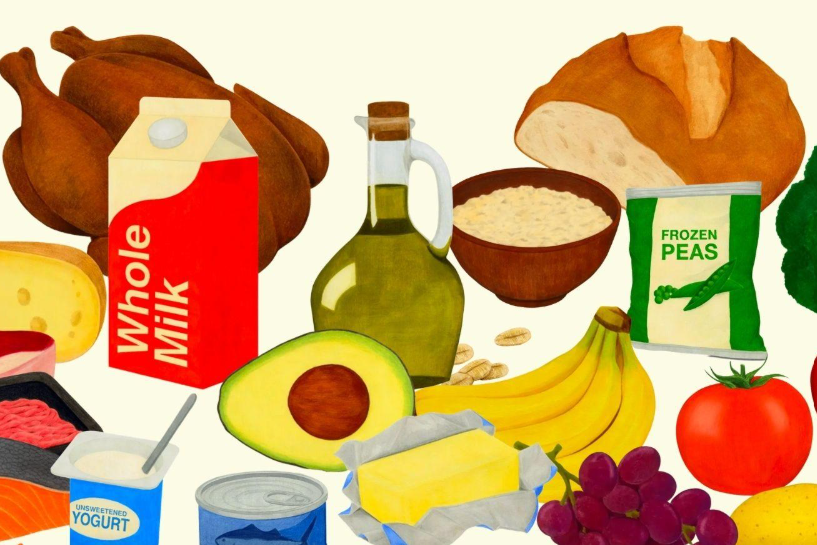
Focus on Protein: Protein plays an important role in maintaining muscle, supporting metabolism, and helping us feel full longer. Good sources include: eggs, poultry, seafood, lean red meat, plant-based foods like beans, lentils, peas, legumes, nuts, seeds, and soy. General guidance suggests about 1.2-1.6 grams of protein per kilogram of body weight per day, depending on age and activity level.
Include Dairy: Full-fat dairy products without added sugar can provide protein, healthy fats, calcium, and other important nutrients. For someone following a 2,000-calorie diet, about three servings per day is recommended.
Fill your plate with Color: Vegetables and fruits remain a foundation of healthy eating. The more colorful your choices, the more variety of nutrients you receive. Fresh, frozen, canned, or dried options all count. Try to avoid versions with added sugar. On a 2,000-calorie plan, that means around three servings of vegetables and fruits, two servings per day.
Choose Healthy Fats and Whole Grains: Not all fats are bad, but it’s best to focus on heart-healthy options like seafood rich in Omega-3s, olives, avocados, nuts, seeds, and oils (such as olive oil). Choose fiber-rich whole grains over refined grains. Depending on your caloric needs, two to four servings per day is recommended.
Limit Highly Processed Foods: Refined sugar & carbohydrates (this includes grains stripped of bran, fiber, and nutrients, like white bread, pizza dough, pasta, white flour, white rice, and some breakfast cereals). Excess sodium (aiming for less than 2,300 mg per day for most adults). Limit alcoholic beverages.
Healthy eating doesn’t have to mean changing everything you eat, but small, consistent changes like adding a vegetable at dinner, or changing white bread to whole grain, or water instead of a sugary drink all adds up. As healthier choices become routine, it becomes easier to cut back on processed food or sugary snacks. This doesn’t mean you have to stop eating all sugar or deprive yourself of a small treat, especially if you have a well-balanced diet and lifestyle. Everything in moderation.
 CAROL WING